What is digital education?
A clear definition, how it differs from e-learning, and four reasons why schools and universities invest in digital learning.
Digital education – also called technology-enhanced learning (TEL) or e-learning – is the creative use of digital tools and technologies in teaching and learning. It lets teachers create engaging learning experiences, in blended or fully online courses.
The term is used more and more, but often without a clear idea of what it means. It is sometimes used as a synonym for e-learning, online learning or TEL, although each of these terms describes a different stage in the development of the field.
In the broadest sense, digital education is any "education that takes place at least partly in, with or through digital technologies". That covers fully online courses, blended learning (online plus face to face) and the use of technology in a traditional classroom.
Digital technology is part of everyday life – from online banking and streaming to email, presentations and PDF handouts. Teaching methods designed specifically for digital learning, or tools like a virtual learning environment (VLE), can still feel a little daunting at first.
Why digital education?
Digital education creates many ways to engage learners, personalise learning and widen access. It makes it easier for learners and teachers to interact with each other – by email, chat, video, forums or social media – and with the learning material.
- Accessibility: students can learn when and where they want, which supports lifelong learning. Students with disabilities can use tools such as text-to-speech or screen readers. Online and blended courses also reach people who live far from a campus or have work or childcare commitments.
- Personalisation: digital materials and settings can be adapted, so every learner can use them in the way that helps them most.
- Flexibility: content can be delivered in different formats, modes and languages, live or on demand, to learners all over the world.
- Real-world skills: digital skills are essential for today's global citizens and an important outcome of education.
The role of reliable infrastructure
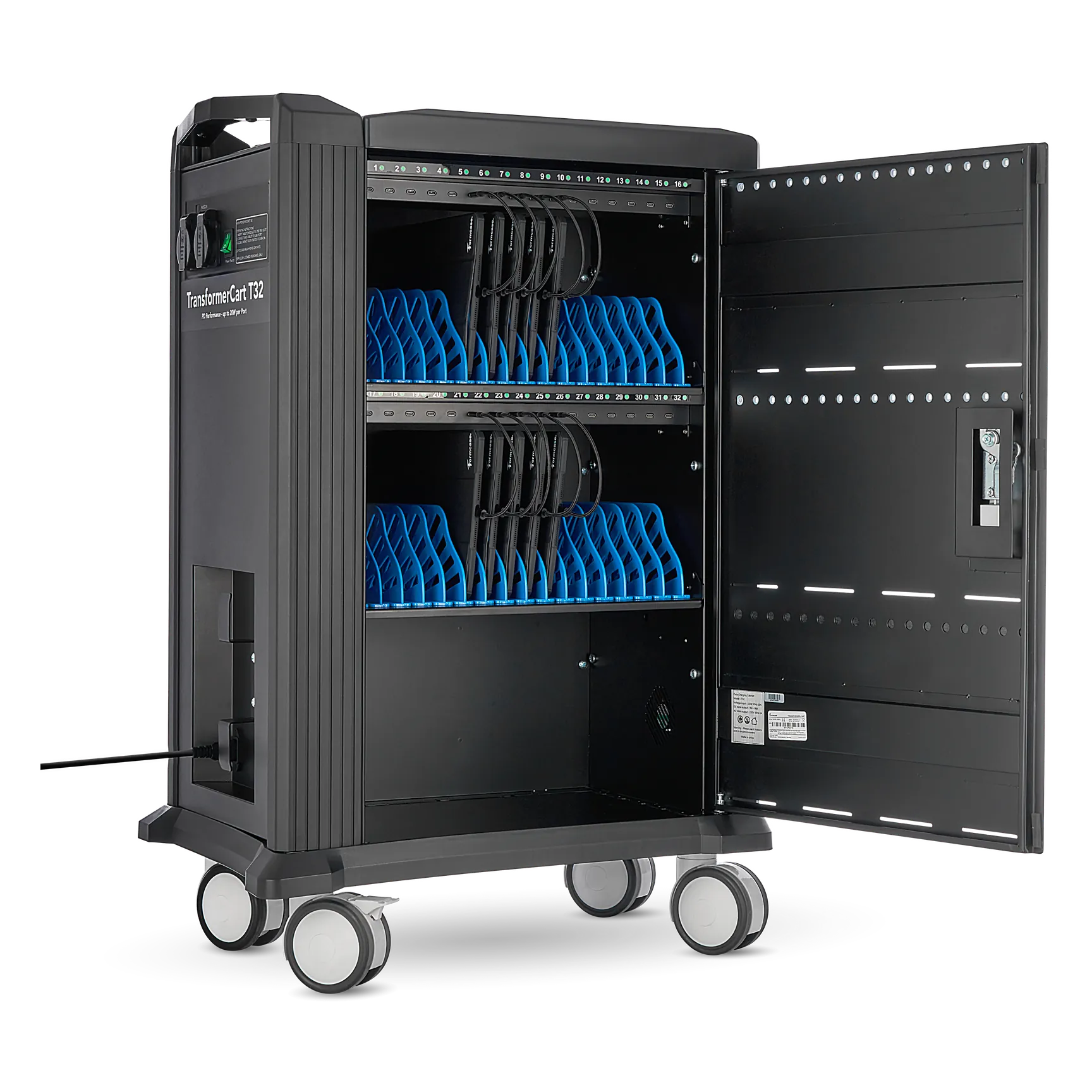
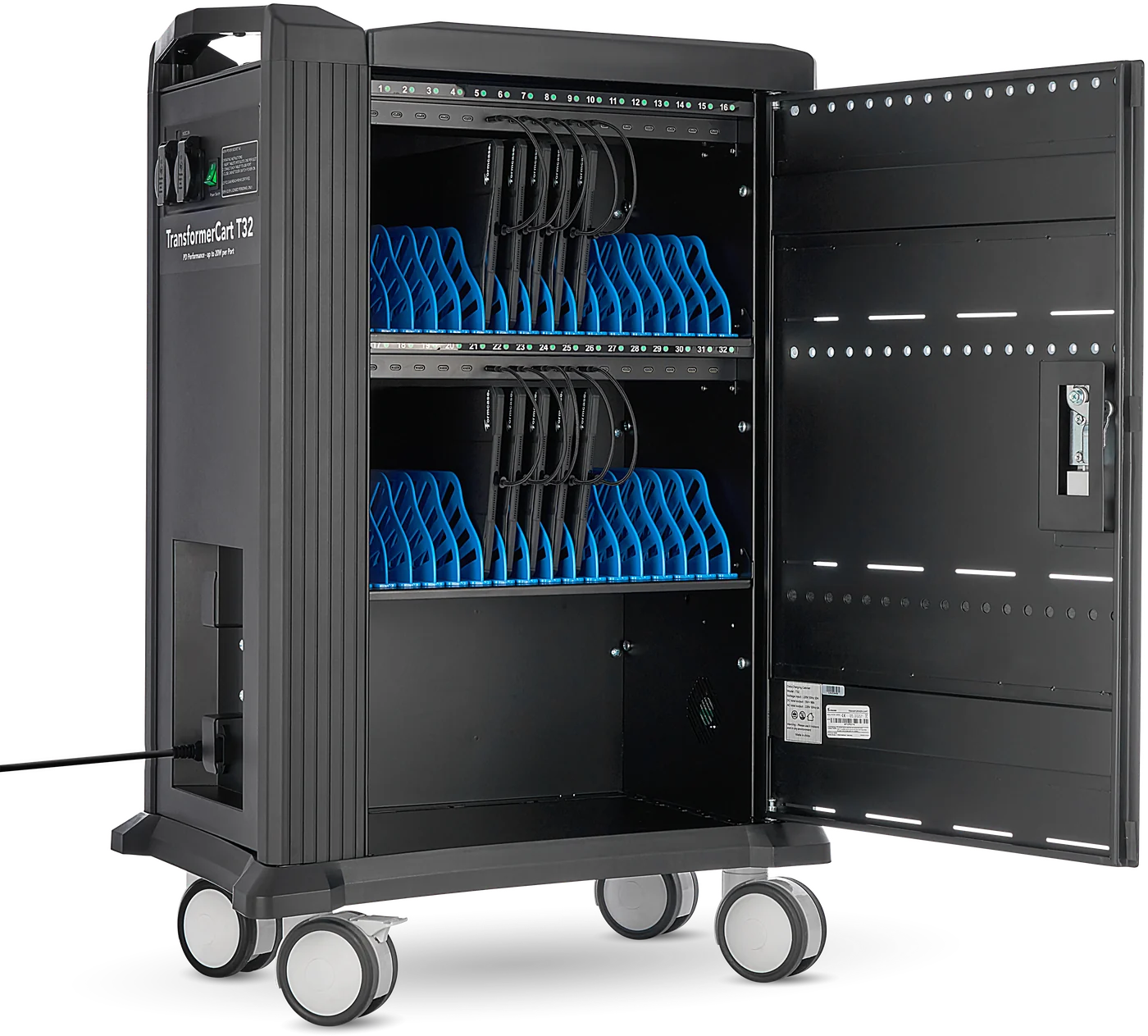
Digital learning only works when the devices are ready. Formcase supports schools, universities, training providers and EdTech companies with charging and storage solutions that keep every device charged, protected and ready for the lesson.
FAQ
What is the best iPad charging solution for a classroom?
A charging cart or case with secure storage, tidy cable management and charging for every device at the same time – sized for the whole class set.
How do iPad charging carts work in schools?
They store, charge and move many devices at once, so the devices stay organised, protected and ready for every lesson. Sync models also update all iPads together.
What is the difference between a charging cart and a charging case?
A charging cart is a larger mobile unit for a whole class. A charging case is compact and portable – ideal for smaller groups or for carrying devices between buildings.